Welcome to WordPress. This is your first post. Edit or delete it, then start writing!
Author: seoguitarist@gmail.com
-
Can Your Dog Be Your Personal Trainer? How Walking With Fido Could Add Years to Your Life

The Remarkable Discovery: A Four-Legged Fitness Solution
British researchers stumbled upon something extraordinary while studying activity levels in older adults. They identified a specific group that consistently met—and often exceeded—WHO physical activity recommendations without trying. These individuals weren’t fitness enthusiasts or health fanatics. They simply owned dogs.
Here’s the sobering fact: The average person today moves dramatically less than our hunter-gatherer ancestors, who walked 20+ kilometers daily searching for food. Modern sedentary lifestyles contribute to obesity epidemics, cardiovascular disease, and metabolic disorders. Yet dog owners, particularly elderly ones, naturally accumulate 30-40 minutes of moderate activity daily—enough to significantly improve health markers across the board.
The study revealed that elderly dog owners showed superior cardiovascular health, lower obesity rates, better metabolic function, and increased longevity compared to demographically similar non-dog owners. The difference? Controlled external compulsion. Rain or snow, tired or energized, dog owners must walk their pets. This eliminates the daily negotiation between the prefrontal cortex (which knows exercise is good) and the limbic system (which prefers the couch).
When the dog dies, the research showed, people immediately revert to sedentary patterns. The physical activity wasn’t driven by intrinsic motivation or willpower—it was driven by external necessity. This reveals something profound about human behavior: we’re wired to conserve energy unless circumstances demand otherwise.
Smart Strategies for Leveraging Natural Movement
Create Non-Negotiable External Commitments The dog ownership model works because it removes decision-making from the equation. Apply this principle without a pet: schedule walking meetings with colleagues (who’ll hold you accountable), join a walking group where others expect you, or commit to walking a neighbor’s dog. External pressure succeeds where willpower fails.
Design Your Environment to Require Movement Our ancestors didn’t choose to walk 20 kilometers daily—survival demanded it. Create modern equivalents: park far from entrances, take stairs exclusively, remove delivery apps that eliminate the walk to stores, keep your car keys in a location requiring a walk to retrieve them. Make movement the path of least resistance.
Embrace the 15% You Can Control Your basal metabolic rate consumes roughly 70% of daily calories—you can’t significantly alter this. However, non-exercise activity thermogenesis (NEAT)—everyday movement like walking, cleaning, climbing stairs—accounts for approximately 15% of energy expenditure and is entirely within your control. This dwarfs the 5-10% from structured exercise for most people.
Stop Drinking Your Calories One universal rule consistently helps weight management: never consume liquid calories. You can drink 500 calories of soda in 90 seconds without satiation signals registering. Eating equivalent calories in solid food would trigger mechanical receptors in your stomach, producing fullness. Water, unsweetened coffee, and tea should be your only beverages.
Understand the Intake-Output Equation Weight management is ruthlessly arithmetic: if intake exceeds expenditure, you gain weight. If expenditure exceeds intake, you lose weight. Genetics, metabolism, and hormones modulate this slightly—but cannot override the fundamental physics. Track everything for two weeks using a food scale and calorie app to confront reality without self-deception.
Build Muscle to Increase Baseline Expenditure Muscle tissue requires substantially more energy to maintain than fat tissue. This is why rapid weight loss without resistance training preferentially burns muscle—your body eliminates the metabolically “expensive” tissue first during perceived starvation. Building muscle through strength training increases your basal metabolic rate permanently (as long as you maintain the muscle).
Accept Discomfort as the Price of Achievement We’ve evolved to avoid unnecessary energy expenditure. Your limbic system will generate powerful resistance to exercise because, evolutionarily, wasting calories on purposeless movement threatened survival. Modern comfort has made us intolerant of even minor discomfort. Recognize this as neurological programming, not personal weakness, and commit anyway.
Monitor Daily Without Obsessing Weigh yourself every morning after using the bathroom, before eating. Track the weekly average, not daily fluctuations. One restaurant meal can add 2-3 pounds of water weight that disappears within days. Weekly trends reveal truth; daily numbers create anxiety.
Debunking Common Myths
Myth 1: “I have a slow metabolism, so I can’t lose weight”
Reality: While rare genetic mutations can affect metabolism, they manifest as severe obesity from childhood—not gradual weight gain in adulthood. For most people claiming slow metabolism, studies show they underestimate food intake by 400-600 calories daily. The infamous “Biggest Loser” study did reveal that extreme calorie restriction can permanently lower basal metabolic rate through epigenetic changes, creating genuine metabolic adaptation. However, this occurs only with severe, prolonged restriction (500-600 calories daily). The solution isn’t faster metabolism—it’s honest calorie accounting and avoiding crash diets.
Myth 2: “Detox diets and cleanses eliminate toxins and boost metabolism”
Reality: Unless you’ve been poisoned (actual toxins like arsenic or botulinum), your liver and kidneys already eliminate waste products continuously. “Toxins” in wellness marketing are undefined because they don’t exist in your body in removable form. Detox retreats might help if they reduce calorie intake and increase movement, but any benefits come from these factors—not magical juice combinations or ancient wisdom. Your body doesn’t accumulate mysterious sludge requiring expensive interventions.
Myth 3: “Eating certain foods (green tea, chili peppers, grapefruit) significantly boosts metabolism”
Reality: While some foods slightly increase thermogenesis (energy spent digesting), the effect is negligible—perhaps 50-100 calories daily at most. Protein requires more energy to digest than carbohydrates or fat (30% vs. 5-10%), making high-protein diets marginally more effective. But there’s no superfood that “melts fat” or “revs up metabolism.” The berry goji, chia seeds, and similar trendy items are just food—sometimes nutritious, always subject to basic caloric mathematics.
Myth 4: “You can’t eat after 6 PM / carbs at night turn to fat / timing matters more than calories”
Reality: Intermittent fasting works for some people because it creates a sustainable eating window that limits overall intake—not because of mystical circadian magic. Studies show that total daily calorie balance, not meal timing, determines weight change. If you prefer eating at night and it helps you maintain a caloric deficit, do it. The old Soviet advice “don’t eat after 6 PM” helped people avoid evening snacking marathons, but the mechanism was simply reduced consumption, not metabolic witchcraft.
Myth 5: “Certain diets (paleo, keto, blood type, alkaline) work better than others for weight loss”
Reality: Every diet that produces weight loss does so through one mechanism: caloric deficit. Paleo, keto, Mediterranean, vegan, carnivore—all work if they help you specifically maintain intake below expenditure. Some people find low-carb satiating; others can’t sustain it. Some thrive counting macros; others prefer simple rules like “no processed foods.” The best diet is the one you can follow long-term while consuming fewer calories than you burn. There’s no metabolic advantage to any specific approach beyond adherence and satiety.
Important Questions Answered
Q: If I exercise more, can I eat more and still lose weight?
A: Technically yes, but human psychology complicates this. Exercise increases appetite and people consistently overestimate calories burned while underestimating calories consumed. Burning 300 calories running is wiped out by one “reward” muffin (450 calories). Exercise is crucial for health, muscle preservation, and mood—but it’s a poor primary weight-loss strategy. The saying “you can’t outrun your fork” exists because it’s true. Focus on diet for weight loss and exercise for health, not as caloric permission slips.
Q: Why do I always regain weight after dieting, sometimes gaining back even more?
A: Your body interprets caloric restriction as starvation and activates powerful defensive mechanisms. It reduces non-exercise movement (you unconsciously sit more, fidget less, avoid stairs), increases appetite through elevated ghrelin and reduced leptin, and can permanently lower basal metabolic rate if restriction is extreme. Studies of “Biggest Loser” contestants showed many regained weight despite eating normally because their metabolisms had adapted downward by 400-500 calories daily. This is why gradual deficits (300-500 calories below baseline) succeed more than crash diets.
Q: Is it possible to be healthy at any size, or is that just body positivity rhetoric?
A: Location matters more than total amount. Visceral fat (abdominal/stomach area) strongly correlates with cardiovascular disease, diabetes, and metabolic syndrome—even in people with modest overall weight. Subcutaneous fat (hips, thighs, buttocks) carries minimal health risk. Many people with large lower bodies but minimal abdominal fat live long, healthy lives. Conversely, “skinny fat” people—normal BMI but high visceral fat—face significant health risks. Body positivity has therapeutic value for mental health, but it doesn’t override cardiovascular disease risk from visceral adiposity.
Q: Can medications like semaglutide (Ozempic, Wegovy) really help, or are they dangerous shortcuts?
A: Semaglutide represents genuine pharmacological innovation. It works on the brain’s reward system, reducing food cravings by making eating less compelling—similar to how it reduces drug-seeking behavior in rat studies. Clinical trials show 20% average body weight loss over one year with minimal side effects beyond gastrointestinal discomfort (nausea, diarrhea) in some users. Long-term safety data is still accumulating, but no major red flags have emerged. For people with obesity or diabetes, the cardiovascular and metabolic benefits likely outweigh unknown long-term risks. It’s not laziness to use medication—it’s recognizing that willpower alone rarely overcomes powerful neurological hunger signals.
Finding Your Personal Balance
Here’s what we know: humans evolved for environments requiring 20+ kilometers of daily walking and featuring food scarcity. We now live in environments requiring zero movement and featuring caloric abundance. Our neurological hardware hasn’t updated—the limbic system still treats exercise as wasteful and calorie-dense foods as treasures.
This doesn’t doom you to obesity or poor health. It means effective strategies must account for biology, not fight against it. The dog ownership model works because it creates external structure that bypasses internal resistance. You don’t need a dog specifically—you need consistent, non-negotiable reasons to move that exist independent of daily motivation.
Consider this: elderly British dog owners weren’t disciplined fitness enthusiasts. They were ordinary people with an obligation that required movement. They accumulated health benefits not through superhuman willpower, but through simple environmental design.
Whatever approach you choose—whether tracking calories meticulously, hiring a trainer for accountability, joining walking groups, or yes, getting a dog—make it sustainable. Extreme restriction damages metabolism. Unrealistic goals invite failure. Temporary diets yield temporary results.
The goal isn’t perfection. It’s finding a livable balance between modern convenience and ancestral movement needs, between caloric abundance and metabolic health. According to data from the World Health Organization (https://www.who.int), most adults need just 150 minutes of moderate activity weekly—achievable through daily dog walks or similar structured movement. Resources at the National Institutes of Health (https://www.nih.gov) and Mayo Clinic (https://www.mayoclinic.org) offer evidence-based guidance on sustainable lifestyle changes.
Your health matters more than looking perfect. Your quality of life matters more than the number on a scale. But dismissing the importance of movement and reasonable caloric balance doesn’t serve you either. Find what works, commit to it, and remember: sometimes the best fitness technology is a leash and a wagging tail.
-
Can’t Fall Asleep? Why the 15-Minute Rule Might Save Your Nights Copy
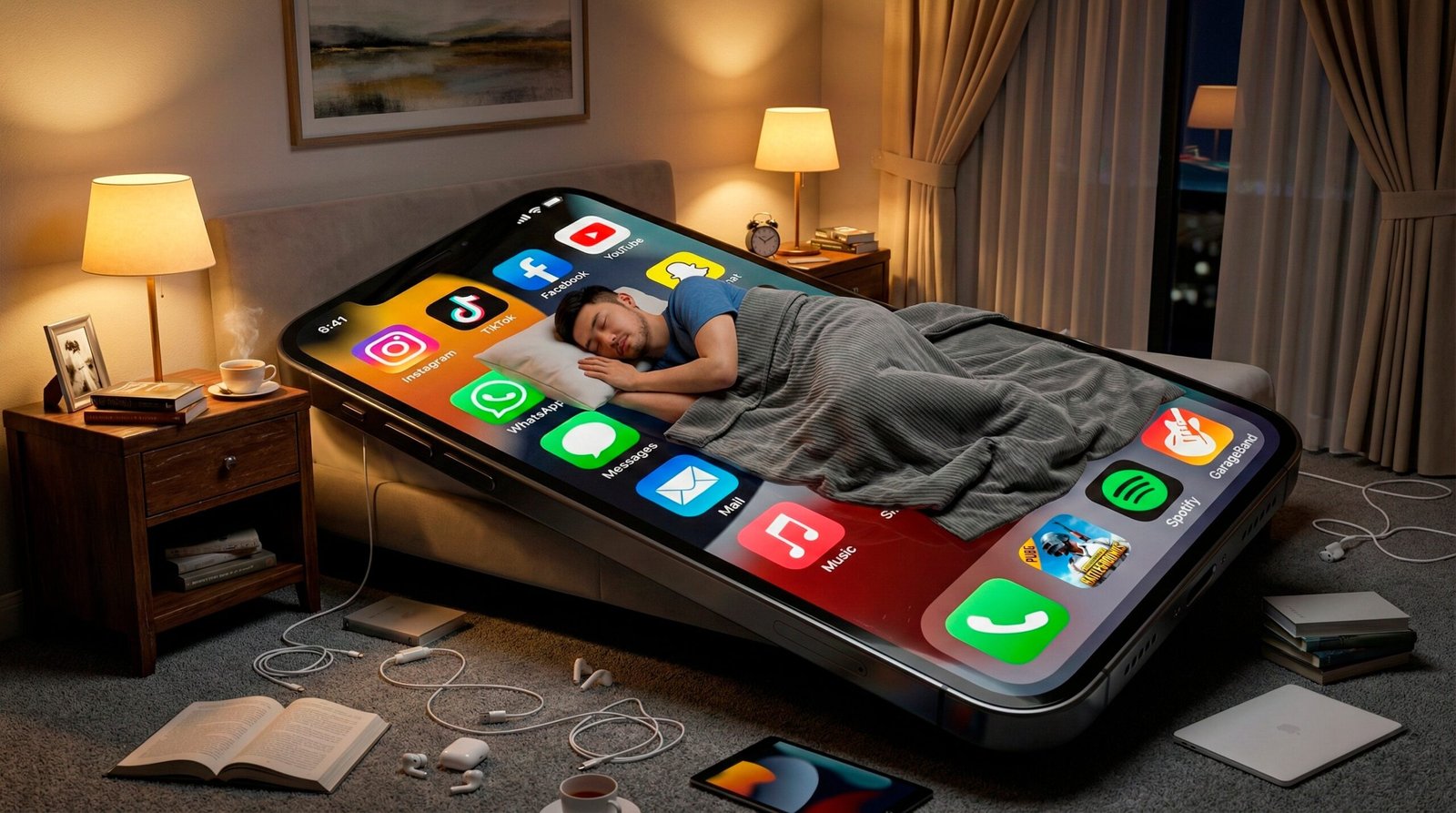
The Insidious Dance: How Your Bed Becomes Your Enemy
Your brain is remarkably good at forming associations. When you repeatedly lie awake in bed, staring at the darkness and feeling stressed, you’re unwittingly training your brain to connect your bedroom with anxiety rather than sleep. Sleep specialists call this phenomenon conditioned arousal—and it’s one of the most common perpetuators of chronic insomnia.
The process works like Pavlov’s dogs, but in reverse. Instead of salivating at the sound of a bell, you become alert and anxious when approaching your bed. One sleep medicine specialist describes patients who report an almost immediate loss of drowsiness the moment they walk toward their bedroom. They can barely keep their eyes open on the couch, but the instant they lie down, sleep vanishes as if by magic.
Here’s the sobering fact: This conditioned response can develop in just two to three weeks of poor sleep. Once established, it becomes self-perpetuating. You worry about not sleeping, which makes you more alert, which prevents sleep, which increases worry—a vicious spiral that can persist for months or even years without intervention.
The 15-minute rule addresses this head-on. The principle is deceptively simple: if you haven’t fallen asleep within 15 minutes of lying down, get up. Leave the bedroom and engage in a quiet, non-stimulating activity until you feel genuinely drowsy again. The goal isn’t to accumulate hours lying in bed—it’s to rebuild the powerful association between your bed and successful sleep.
But why 15 minutes? Research shows this is the typical window during which healthy sleepers transition from wakefulness to sleep. Beyond this threshold, continued wakefulness begins to reinforce negative conditioning. Some experts suggest you can extend this to 20 minutes, but the key insight remains: prolonged wakefulness in bed is counterproductive.
Smart Strategies for Reclaiming Your Sleep
1. Master the 15-Minute Exit
When sleep doesn’t come within 15 minutes, resist the urge to stay put. Get up and move to another room with dim lighting. Choose boring activities: fold laundry, read something unstimulating (tax documents work wonders), or listen to a quiet podcast. The activity should be dull enough that your brain doesn’t engage, but engaging enough to distract from sleep anxiety. Return to bed only when you feel truly drowsy—those heavy eyelids and involuntary yawns are your green light.
2. Establish an Unshakeable Wake Time
This might be the hardest rule to follow, but it’s also the most powerful. Wake up at the same time every day, regardless of how much you slept the night before. Yes, even on weekends. Even after a terrible night. This consistency anchors your circadian rhythm and builds sleep pressure—the biological drive for sleep that accumulates throughout the day. Most people who implement this strategy see dramatic improvements within two weeks.
3. Create a Genuine Wind-Down Ritual
Your journey to bed begins hours before you actually lie down. Start dimming lights 90 minutes before bedtime. Put away screens (yes, all of them) at least an hour before sleep. Engage in genuinely relaxing activities—gentle stretching, reading physical books, taking a warm bath. The bath is particularly effective: your body temperature drops afterward, mimicking the natural temperature decrease that signals sleep time.
4. Redesign Your Sleep Environment
Your bedroom should be a cave: cool (65-68°F or 18-20°C), dark, and quiet. Invest in blackout curtains—summer sunrise at 3:30 AM will sabotage even the most resilient sleeper. Maintain humidity between 50-60% with a humidifier; winter heating can drop indoor humidity below 20%, drying out your airways and causing disruptive breathing issues. Choose a mattress that supports your spine without creating pressure points—the myth of ultra-firm mattresses being healthier is just that, a myth.
5. Cut Off Caffeine by 2 PM
Caffeine’s half-life is 5-6 hours, but traces can linger much longer. That 4 PM coffee might still be affecting your nervous system at midnight. Even if you feel like you can drink coffee at 8 PM and sleep fine, you’re likely experiencing more fragmented sleep with fewer restorative deep sleep stages. Caffeine doesn’t just prevent sleep onset—it makes you more reactive to stress throughout the day, increasing overall arousal levels.
6. Embrace Strategic Daytime Activity
Regular physical activity is one of the most effective non-pharmacological sleep aids. Aim for 150-300 minutes of moderate activity weekly (brisk walking counts) or 75-150 minutes of vigorous exercise. Morning exercise is ideal, but any movement is beneficial. A major study following over 100,000 people for 30 years found that regular exercisers enjoyed significantly better sleep quality and fewer insomnia symptoms than sedentary individuals.
7. Time Your Last Meal Carefully
Finish dinner at least three hours before bed, and keep it moderate—no more than 20% of your daily calories. Digesting a large meal requires substantial metabolic activity, keeping your nervous system more alert. It’s like asking your body to run a marathon while trying to sleep. Light hunger is fine; a growling stomach won’t prevent sleep, but a stuffed one definitely will.
8. Limit Alcohol as a Sleep Aid
While alcohol may help you fall asleep faster, it fragments your sleep architecture, particularly reducing REM sleep—the stage crucial for memory consolidation and emotional regulation. Using alcohol nightly as a sleep aid is a direct path to dependence. If you drink, limit intake to 6-8 occasions per month maximum, just as you would with prescription sleep medications, to avoid developing tolerance or dependency.
Debunking Common Sleep Myths
Myth 1: “You need 8 hours of sleep every night.”
Reality: Sleep needs are genetically determined and vary dramatically between individuals. While 7-9 hours is the average range, some people genuinely thrive on 5-6 hours, while others require 9-10 hours. Napoleon famously slept 4 hours (though historians debate this claim), while Einstein reportedly needed 12. Forcing yourself to stay in bed for 8 hours when you only need 6 can actually cause insomnia by reducing sleep pressure. The key question isn’t how long you sleep, but whether you feel refreshed and function well during the day.
Myth 2: “Sleep before midnight is more valuable than sleep after midnight.”
Reality: This persistent myth has no scientific basis. Sleep quality depends on consistency and alignment with your circadian rhythm, not the clock time. Astronauts on the International Space Station maintain excellent sleep quality despite experiencing 45-minute day-night cycles that bear no relationship to Earth time. If you consistently sleep from 2 AM to 10 AM, your body’s hormone production—including melatonin and growth hormone—will adjust to that schedule. What matters is maintaining the same sleep-wake schedule daily, regardless of when it falls.
Myth 3: “Firm mattresses are better for your back and sleep.”
Reality: This outdated advice likely originated from an era when most mattresses were sagging, wire-spring disasters. Modern research shows that mattresses should be supportive enough to keep your spine aligned, but soft enough to cushion pressure points. Overly firm surfaces force your body to rest on high-pressure points (shoulders, hips), causing discomfort that triggers frequent position changes and lighter sleep. The ideal mattress contours to your body shape while maintaining spinal alignment—what sleep specialists call medium-firm with a comfort layer.
Myth 4: “Eating protein before bed boosts growth hormone and helps you lose weight overnight.”
Reality: While growth hormone is indeed produced during deep sleep, eating before bed doesn’t enhance this process. In fact, late-night eating—regardless of macronutrient composition—disrupts sleep quality by activating your digestive system when your body is trying to rest. It’s like asking your body to simultaneously relax and perform intensive work. The “lose weight while sleeping” claims are marketing fiction. Focus on finishing meals 3+ hours before bedtime for the best sleep quality.
Myth 5: “Napping will ruin your nighttime sleep.”
Reality: Short naps (15-30 minutes) can refresh you without interfering with nighttime sleep—as long as they’re taken before 2 PM. The problem arises with longer naps or late-afternoon naps that reduce your sleep pressure for the night. Think of sleep pressure like appetite: a big afternoon snack will indeed reduce your dinner appetite. However, if you’re chronically sleep-deprived (say, a new parent), napping when your infant sleeps isn’t just acceptable—it’s necessary for survival. The key is testing: if you nap and still sleep well at night, you’re fine. If nighttime sleep suffers, skip the nap.
Essential Questions Answered
Q: What if I get up every night and never fall asleep within 15 minutes? Won’t I lose even more sleep?
A: This concern is common but misplaced. You’re already not sleeping during those wakeful periods, so you’re not losing additional sleep by getting up. What you are doing is preventing the conditioning that perpetuates insomnia. Most people find that after consistently applying the 15-minute rule for 1-2 weeks, they begin falling asleep more quickly. You’re essentially retraining your brain’s sleep associations, and yes, it may feel worse before it feels better. The temporary discomfort is worth the long-term gain.
Q: Can I check my phone or watch TV when I get up during the night?
A: Absolutely not. Blue light from screens suppresses melatonin production and activates your brain’s alertness systems. Stick to dim light and genuinely boring activities. Read that insurance policy you’ve been meaning to understand. Fold socks. Do anything that occupies your hands without engaging your mind. The goal is to be mildly bored—not stimulated—so sleepiness can return naturally.
Q: I sleep with a partner who snores loudly. Should I still follow these rules?
A: Loud snoring—especially with gasping or breathing pauses—may indicate sleep apnea, a serious condition that affects both the snorer and their partner. If your partner’s snoring prevents your sleep, encourage them to see a sleep specialist. In the meantime, consider separate sleeping arrangements. Research shows that couples who sleep together generally experience worse sleep quality than when sleeping alone, though emotional factors sometimes outweigh the sleep disruption. There’s no shame in separate bedrooms if it means both partners sleep better.
Q: Is it okay to use melatonin supplements?
A: Melatonin works best for specific situations: jet lag, shift work, or for people over 55 whose natural melatonin production has declined. If you have a consistent sleep schedule and you’re under 55, additional melatonin typically won’t help—your body already produces it at the right time. Melatonin is a signal that tells your body it’s time to sleep, not a sedative that forces sleep. If you do use it, take 0.5-3 mg about 2 hours before your target bedtime, not right before bed.
Finding Your Personal Balance
Sleep is deeply individual. What works for your neighbor might not work for you, and that’s perfectly normal. The 15-minute rule isn’t about rigid adherence to a timer—it’s about recognizing when wakefulness is reinforcing poor sleep associations and taking action to break that cycle.
The strategies outlined here are evidence-based and effective for most people with insomnia, but they’re not one-size-fits-all. Some people have underlying conditions—sleep apnea, restless legs syndrome, circadian rhythm disorders—that require specialized treatment. If you’ve consistently applied good sleep hygiene for 4-6 weeks without improvement, it’s time to consult a sleep specialist. Chronic insomnia doesn’t make you weak; it makes you human.
Remember: the goal isn’t perfect sleep every night. Even excellent sleepers have occasional rough nights. The goal is to break the anxiety cycle around sleep and rebuild trust in your body’s natural ability to rest. By removing yourself from bed when sleep won’t come, you’re not admitting defeat—you’re taking active control of your sleep health.
Your bed should be a sanctuary, not a battleground. Give it time. Be patient with yourself. Sleep will return when your brain learns once again that your bed is a place of rest, not frustration. The 15-minute rule is your first step toward reclaiming your nights—and your days.
-
Does That Nightcap Really Help You Sleep? Copy

The Betrayal: How Alcohol Plays a Cruel Trick on Your Sleep
Alcohol is, paradoxically, both a sedative and a sleep disruptor. In the first 2-3 hours after consumption, it acts as a central nervous system depressant. It helps you fall asleep faster by increasing the production of adenosine, a sleep-inducing chemical in the brain, while simultaneously suppressing arousal mechanisms. This is why that glass of wine makes your eyelids feel heavy.
Here’s the sobering fact: Alcohol metabolizes within 4-5 hours, and that’s when the trouble begins. As your blood alcohol level drops, your body experiences a rebound effect. Your nervous system, which was suppressed, suddenly becomes hyperactive. Your sleep shifts from deep, restorative stages to lighter, more fragmented patterns.
What’s happening in your brain during this window? Three critical things. First, alcohol suppresses REM (Rapid Eye Movement) sleep—the stage crucial for emotional regulation, memory consolidation, and cognitive function. Studies show that consuming just two drinks before bed can reduce REM sleep by up to 20-30%. Second, the withdrawal effect as alcohol clears your system triggers micro-awakenings. You might not consciously remember them, but your smartwatch data will tell a different story—dozens of brief interruptions throughout the night. Third, alcohol relaxes the muscles in your throat and tongue, increasing the likelihood of snoring and sleep apnea episodes, which can cause oxygen deprivation and further fragment your sleep.
The result? You wake up feeling exhausted despite spending eight hours in bed. Your deep sleep stages—where physical restoration occurs—have been severely compromised. Your body missed its opportunity to repair tissues, consolidate memories, and rebalance hormones. That morning grogginess isn’t just a hangover; it’s your body telling you it didn’t get the restorative sleep it desperately needed.
Smart Strategies for Better Sleep Without Sacrificing Your Social Life
Time Your Drinking Window
Give your body at least 3-4 hours to metabolize alcohol before bedtime. If you’re planning to sleep at 11 PM, finish your last drink by 7 PM. This allows the sedative effects to wear off before you hit the pillow, reducing the rebound arousal that disrupts your sleep later.
Practice the One-to-One Rule
For every alcoholic drink, consume one full glass of water. Alcohol is a diuretic, causing dehydration that can wake you up with thirst, headaches, or the need to urinate. Staying hydrated minimizes these sleep interruptions and helps your body process alcohol more efficiently.
Set a Weekly Limit
Research suggests keeping alcohol consumption to 6-8 occasions per month to minimize dependence risk and sleep disruption. If you find yourself reaching for a drink every night to fall asleep, you’re likely developing problematic patterns. Consider alcohol-free weekdays or designate specific nights for drinking.
Create Alternative Wind-Down Rituals
Replace your evening drink with other relaxation techniques: a warm bath, gentle stretching, reading, or chamomile tea. These activities trigger the body’s natural relaxation response without the sleep-disrupting rebound effect. The goal is to train your body to relax without relying on a chemical crutch.
Optimize Your Sleep Environment
Keep your bedroom cool (65-68°F or 18-20°C), dark, and quiet. Use blackout curtains and maintain 50-60% humidity. A comfortable mattress that supports your body without pressure points is essential—firm isn’t necessarily better; you want adequate support with a comfort layer that contours to your shape.
Track Your Patterns
Use a sleep tracking app or journal to monitor how different amounts of alcohol affect your sleep quality. You might discover that one drink doesn’t significantly impact you, but two or more cause noticeable disruption. Personalized data beats general guidelines.
Address the Root Cause
If you’re using alcohol to cope with stress or anxiety that interferes with sleep, address the underlying issue. Regular exercise, cognitive behavioral therapy for insomnia (CBT-I), or consultation with a sleep specialist can provide lasting solutions without the downsides of alcohol.
Debunking Common Myths About Alcohol and Sleep
Myth 1: “A nightcap helps you sleep better”
Reality: While alcohol might help you fall asleep faster, it significantly reduces sleep quality. You’re trading quick sedation for fragmented, unrefreshing sleep. The second half of your night becomes a series of disruptions as alcohol metabolizes and your nervous system rebounds. You might spend eight hours in bed but wake up feeling like you slept four.
Myth 2: “Red wine before bed is healthy because of antioxidants”
Reality: The sleep-disrupting effects of alcohol far outweigh any potential benefits from resveratrol or other antioxidants in red wine. You’d get more antioxidants from a handful of grapes without the sleep penalty. If you want the cardiovascular benefits, have your wine earlier in the day, not before bed.
Myth 3: “You build tolerance, so regular drinking won’t affect your sleep”
Reality: You might feel like you’re sleeping better as you develop tolerance, but objective measures tell a different story. Regular drinkers often have chronically disrupted sleep architecture with reduced deep sleep and REM sleep. Worse, you may need increasing amounts to feel the initial sedative effect, creating a dangerous cycle toward dependence.
Myth 4: “A drink helps you stay asleep through the night”
Reality: This is backwards. Alcohol causes more nighttime awakenings in the second half of the night as it metabolizes. It also acts as a diuretic, sending you to the bathroom multiple times. Many people wake up at 2-3 AM unable to fall back asleep—classic rebound insomnia from alcohol metabolism.
Myth 5: “Everyone reacts the same way to alcohol and sleep”
Reality: Individual responses vary based on genetics, body weight, age, sex, and metabolism. Women typically experience stronger effects from the same amount of alcohol due to differences in body composition and enzyme activity. Older adults metabolize alcohol more slowly and are more susceptible to sleep disruption. What seems harmless for one person might severely disrupt another’s sleep.
Important Questions Answered
How much alcohol is too much before bed?
Even one drink within 2-3 hours of bedtime can affect sleep quality in sensitive individuals. A standard drink (5 oz wine, 12 oz beer, 1.5 oz spirits) takes about 1-1.5 hours to metabolize per drink. If you consume two drinks at 9 PM and sleep at 11 PM, you’re still processing alcohol as you drift off, setting up that disruptive rebound effect around 2-3 AM.
Can I use alcohol occasionally for sleep without problems?
Occasional use (6-8 times per month) carries lower dependence risk than nightly use. However, you’re still experiencing sleep disruption on those nights. The key is ensuring alcohol doesn’t become your primary sleep tool. If you find yourself unable to sleep without it, you’ve crossed into problematic territory and should seek alternative solutions.
What about using alcohol for jet lag or shift work?
This is particularly problematic. Your circadian rhythm is already disrupted; adding alcohol compounds the problem. Instead, use timed light exposure, melatonin (under medical guidance), and strategic napping to adjust your sleep-wake cycle. Alcohol will only create more sleep debt and make adaptation harder.
I’ve been drinking nightly to sleep for months. How do I stop?
Consult a healthcare provider, especially if you’re consuming 1.5 bottles of wine or equivalent nightly—this suggests dependence. Sudden cessation can cause rebound insomnia and withdrawal symptoms. A supervised tapering plan combined with evidence-based insomnia treatments (like CBT-I) offers the safest path forward. Cognitive behavioral therapy for insomnia is often more effective than medication and certainly safer than alcohol.
Finding Your Personal Balance
The relationship between alcohol and sleep isn’t black and white. A glass of wine at dinner, finished hours before bedtime, affects you differently than drinking immediately before sleep. Your genetics, age, overall health, and drinking patterns all factor into the equation.
The goal isn’t necessarily complete abstinence—though that’s certainly the safest choice for sleep quality. Rather, it’s understanding how alcohol affects your unique sleep architecture and making informed decisions. Track your patterns. Notice how you feel after drinking versus alcohol-free nights. Pay attention to sleep quality, not just sleep duration.
If you discover that alcohol consistently disrupts your sleep, you face a choice: prioritize immediate relaxation or long-term rest? Remember, chronic poor sleep doesn’t just make you tired. It increases risks for obesity (through hormonal disruption), cardiovascular disease, depression, and cognitive decline. It’s not just about feeling groggy tomorrow; it’s about your health trajectory over years.
Consider consulting a sleep specialist if you’re struggling with insomnia, especially if you’ve been self-medicating with alcohol. Effective, evidence-based treatments exist—from cognitive behavioral therapy to circadian rhythm optimization. These address the root cause rather than masking symptoms with a substance that ultimately makes the problem worse.
The bottom line: You can enjoy alcohol in moderation and still sleep well—just don’t mix them temporally. Finish your drinks hours before bed, stay hydrated, and develop genuine relaxation practices that don’t compromise your sleep. Your body will thank you, not just tomorrow morning, but for years to come. Quality sleep is one of the most powerful health tools you possess. Don’t trade it for a temporary sense of relaxation that evaporates by midnight, leaving you tossing and turning until dawn.
-
Does It Matter If You Sleep at Midnight or 10 PM? Copy
The Intricate Dance: How Your Body Orchestrates Sleep
Here’s the fascinating paradox that sleep scientists have discovered: your body doesn’t actually know what time it is on a clock. What it does know, with remarkable precision, is how to maintain its own internal rhythms—and these rhythms adapt to your schedule, not the other way around.
Think of your circadian rhythm as an incredibly sophisticated conductor leading an orchestra of biological processes. The “conductor” doesn’t care if the concert starts at 8 PM or midnight—it just needs consistent scheduling to coordinate all the musicians. This is exactly how your body treats sleep timing.
During deep sleep stages, your body produces growth hormone (somatotropin), which in adults plays a crucial role in converting food energy into either muscle mass or fat. When deep sleep is disrupted or insufficient, this hormone production plummets, and your body preferentially stores energy as fat rather than building muscle. The critical factor isn’t when this happens, but that it happens consistently.
Here’s a sobering fact from research: Disrupted sleep structure triggers a perfect metabolic storm. Ghrelin, the hunger hormone, increases dramatically—making you ravenously hungry. Simultaneously, your sensitivity to leptin (the hormone signaling fullness) decreases, meaning you never feel satisfied. Meanwhile, the growth hormone that should be converting calories into muscle instead barely shows up, directing excess energy straight to fat storage. This is why sleep-deprived individuals often gain weight even when trying to maintain the same diet.
But timing? A fascinating study involved astronauts on the International Space Station, where day and night cycle every 45 minutes. These astronauts maintained healthy hormone production by sleeping on a strict schedule—regardless of whether Earth’s clock said it was noon or midnight. Their melatonin, growth hormone, and other sleep-related hormones adapted perfectly to their scheduled rest periods.
The real danger isn’t sleeping “too late.” It’s social jetlag—when you sleep at different times on weekdays versus weekends. Imagine going to bed at midnight and waking at 9 AM on weekends, but sleeping 11 PM to 7 AM on weekdays. You’ve just shifted your biological clock by two hours, then forced it back. It’s like flying from New York to Denver and back every single weekend. Over 50% of urban residents live with this chronic jetlag, constantly exhausted not because they sleep “late,” but because their sleep timing keeps changing.
Smart Strategies for Quality Sleep
1. Establish Unwavering Consistency
Choose your wake time and stick to it every single day—weekends included. If you currently wake at 7 AM for work but sleep until noon on weekends, you’re sabotaging yourself. Limit weekend variations to a maximum of 1 hour later. Try this for just two weeks: after 14 days of consistent timing, you’ll start waking naturally 5 minutes before your alarm, feeling genuinely rested. Your body will finally trust the schedule.
2. Embrace Moderate to Vigorous Physical Activity
Research analyzing over 100,000 people across 30 years revealed that 300-600 minutes weekly of moderate activity (brisk walking) or 150-300 minutes of intense activity (running, swimming) doesn’t just improve sleep—it outperforms medication and therapy for treating anxiety, depression, and insomnia. That translates to roughly 45-90 minutes daily of movement. Not for weight loss. Not for appearance. For sleep quality that actually restores you.
3. Eliminate Caffeine Strategically
If sleep is challenging, remove all caffeine—coffee, tea (including green tea, which contains more caffeine than black), energy drinks. Caffeine doesn’t just prevent sleep directly; it amplifies your stress response throughout the day, making you hyper-reactive to minor irritations. By evening, you’re wound so tight that sleep becomes impossible even after the caffeine has cleared your system. One patient consuming eight cups daily couldn’t sleep despite trying everything. After two weeks caffeine-free (yes, he experienced withdrawal headaches and body aches for a week), his insomnia completely resolved without any sleeping pills.
4. Create Your Optimal Sleep Environment
Forget the old advice about sleeping on hard surfaces—that myth emerged from post-revolutionary Russia when the wealthy slept on beds and everyone else made do with hard floors and crates. Your body has curves; a proper mattress should support your spine while conforming to your shape (think medium-soft for those under 180 lbs, medium-firm above). Maintain humidity at 50-60% (winter heating often drops it below 20%, equivalent to the Sahara at midday, causing nasal congestion, dry skin, and more allergies). Install blackout curtains. Keep the room quiet. These aren’t luxuries—they’re requirements for restorative sleep.
5. Manage Light Exposure Deliberately
If you sleep midnight to 9 AM, create complete darkness until 9 AM. People forget that in summer, sunrise hits around 3:30 AM. Even through closed eyelids, that light penetrates and signals your brain to wake. Use heavy blackout curtains or eye masks. Match your light exposure to your chosen schedule, not to the sun’s position. Your ancestors didn’t have electric lights or trans-Atlantic flights—you do, so use them strategically.
6. Time Your Evening Meal Properly
Finish eating at least 3 hours before bed, with dinner comprising no more than 20% of your daily calories. Digestion requires approximately 100 calories to process 200 grams of meat—equivalent to running at 10 km/h for 10 minutes. Your digestive system operates like a blast furnace when active: stomach acid, bile, pancreatic enzymes, intestinal contractions all working intensely. Your brain must monitor this internal activity, which fragments sleep into lighter, less restorative stages. Late, heavy meals guarantee poor sleep quality.
7. Apply the 15-Minute Rule
Can’t fall asleep within 15 minutes? Get up. Leave the bedroom. Do something boring—fold laundry, read a dull book, watch a documentary about slow-moving animals. Return only when genuinely drowsy. Otherwise, you’re training your brain to associate bed with anxious wakefulness rather than sleep. This “stimulus control” breaks the conditioning that keeps many chronic insomniacs trapped in bed for hours, stressed about not sleeping.
8. Never Change Your Wake Time
Even after a terrible night, wake at your scheduled time. Yes, you’ll be tired. That’s intentional. That accumulated sleep pressure ensures you sleep better the following night. Sleeping in creates a vicious cycle: poor night, late morning, poor next night, later morning, until day and night completely invert. Maintain the same wake time regardless of when you fell asleep.
Debunking Common Sleep Myths
Myth 1: “Sleep before midnight is twice as valuable as sleep after midnight.”
Reality: This myth likely originated from observations that people who naturally sleep early tend to be healthier. But correlation isn’t causation. These individuals typically maintain consistent schedules and healthy lifestyles. The “magic” isn’t the clock time—it’s the regularity. If you consistently sleep 12 AM-8 AM with proper sleep hygiene, your hormone production, cellular repair, and cognitive restoration will be identical to someone sleeping 10 PM-6 AM. The crucial factors are duration, consistency, and sleep quality—not whether it’s before or after midnight.
Myth 2: “Everyone needs 8 hours of sleep.”
Reality: Sleep need is genetically determined and varies from 4 to 12 hours, with 7-9 hours being average. Einstein reportedly needed 12 hours; Napoleon claimed 4 (though this is debated). Trying to force a naturally short sleeper to stay in bed for 8 hours creates insomnia, not health. Many elderly patients develop severe insomnia because they retire, have more time, and try to sleep 8-10 hours when they biologically need only 4-5 hours. They lie awake for hours, develop anxiety about sleep, and often get prescribed unnecessary sleeping pills. The solution? Reduce time in bed to match their actual sleep need.
Myth 3: “You can catch up on lost sleep over the weekend.”
Reality: This strategy backfires spectacularly. Sleeping late on weekends shifts your circadian rhythm, making Sunday night sleep nearly impossible and Monday morning torture. You’ve essentially given yourself jetlag without leaving your bedroom. If you must compensate for sleep loss, the rule is: lost 2 hours? Don’t make it up at all. Lost 4+ hours? Compensate for only half the deficit. Lost an entire night? Sleep half your usual duration in the first half of the day, or take a 2-hour nap at lunch. This maintains enough sleep pressure to keep your rhythm stable.
Myth 4: “Alcohol helps you sleep better.”
Reality: Alcohol is a short-acting sedative—it knocks you out but destroys sleep architecture. While small amounts occasionally (6-8 times monthly maximum) pose minimal addiction risk, using alcohol as a daily sleep aid creates physical dependence remarkably quickly. One patient drank 1.5 bottles of wine nightly “because I can’t sleep otherwise.” That’s not medication—that’s alcoholism masked as self-care. The paradox: alcohol initially helps you fall asleep but fragments your sleep throughout the night, causing more severe insomnia long-term. Occasional use for relaxation? Potentially fine. Daily use as a sleep medication? A dangerous path.
Myth 5: “Eating protein before bed boosts growth hormone and helps you lose weight overnight.”
Reality: While certain amino acids in protein can theoretically support hormone production, eating any substantial food close to bedtime activates your digestive system—requiring significant energy and disrupting deep sleep stages where growth hormone is actually produced. The old wisdom remains valid: eat breakfast like a king, lunch like a prince, dinner like a pauper. Keep dinner under 20% of daily calories, finished 3 hours before bed. No specific food magically enhances sleep; heavy late-night eating universally worsens it.
Essential Questions Answered
Q: I work night shifts. Can I ever be as healthy as someone with a regular schedule?
A: Night shift work is genuinely challenging for health, but consistency helps tremendously. If you work nights, maintain the same sleep schedule on off-days. Sleep in complete darkness during your scheduled rest time. Use bright light exposure during your active hours to help anchor your shifted circadian rhythm. Some people adapt reasonably well; others never do. If you experience severe insomnia, chronic fatigue, or significant weight gain despite good sleep hygiene, you may need to consider changing jobs—some individuals are biologically incompatible with shift work.
Q: Should I take melatonin supplements to help me sleep?
A: For young to middle-aged adults on consistent schedules, melatonin supplements typically don’t help and may not work at all—your body already produces adequate melatonin if you maintain regular timing. Melatonin is useful for jetlag (helping you shift your schedule temporarily) or for people over 55, whose natural melatonin production declines. Even then, timing matters: take it 1-2 hours before your desired sleep time. Random melatonin supplementation without addressing schedule consistency is like putting premium gas in a car with a broken engine.
Q: Is it okay to nap during the day?
A: Short naps (15-30 minutes) can be refreshing and boost afternoon performance if they don’t interfere with nighttime sleep. The iron-clad rule: if daytime napping makes nighttime sleep harder, eliminate the naps. However, if you nap and still sleep well at night, continue. Be wary of excessive daytime sleep, especially in retirement—multiple long naps throughout the day can lead to nighttime insomnia, creating a reversed sleep cycle that’s difficult to correct.
Q: Why do I always wake up groggy even after 8 hours of sleep?
A: Several possibilities: You might have sleep apnea (especially if you snore, are overweight, or have high blood pressure), which fragments sleep without you realizing it. Your bedroom environment might be suboptimal (too warm, inadequate humidity, poor mattress). You might actually need less than 8 hours—forcing yourself to sleep longer than needed creates grogginess. Or you might be sleeping at inconsistent times, preventing your body from establishing stable rhythms. Try maintaining perfect schedule consistency for two weeks while optimizing your environment. If grogginess persists, consult a sleep specialist.
Finding Your Personal Balance
The liberating truth about sleep timing is this: your body is remarkably adaptable. Whether you’re a confirmed night owl who does your best work at 2 AM or an early bird greeting the dawn, you can be equally healthy—provided you honor consistency above all else.
Stop chasing the mythical “perfect” bedtime promoted in wellness culture. Instead, identify what schedule realistically fits your life, commit to it completely (weekends included), and optimize the factors that genuinely matter: consistent timing, adequate duration, regular physical activity, proper sleep environment, and good sleep hygiene.
If you’re struggling with persistent sleep issues despite implementing these strategies, or if you snore loudly, experience breathing pauses, or have overwhelming daytime sleepiness, consult a sleep specialist. Some conditions like sleep apnea require professional intervention and can’t be fixed with lifestyle changes alone.
The bottom line? Don’t let arbitrary clock times dictate your anxiety about sleep. Focus on the proven fundamentals: consistency, quality, and listening to your body’s unique needs. Your circadian rhythm is a sophisticated biological system that will work beautifully with you—once you stop fighting it and start working with it on a stable schedule.
Sleep isn’t about perfection. It’s about finding what works for you and sticking with it long enough for your body to trust the pattern. Give yourself that gift of consistency, and watch your sleep quality transform—midnight bedtime and all.
-
Can You Drink 8 Cups of Coffee Daily? Copy
The Betrayal: How Caffeine Wages War on Your Sleep
Here’s where caffeine becomes particularly insidious. It doesn’t just keep you wired in the moment—it fundamentally alters your stress response throughout the entire day. Even when consumed only in the morning, excessive caffeine makes you hyper-responsive to stressors, creating a domino effect that devastates your evening wind-down.
The physiological reality is stark. Caffeine blocks adenosine receptors in your brain—adenosine being the chemical that signals tiredness. By occupying these receptors, caffeine doesn’t eliminate your sleep debt; it merely masks it. You’re running on fumes while your body screams for rest that never comes.
Here’s the sobering fact: Even if caffeine stops ‘working’ as a stimulant by evening, the damage is done. Your nervous system remains primed for fight-or-flight. You react more intensely to work emails, traffic jams, and family conflicts. By bedtime, your stress hormones are still elevated, and your mind refuses to quiet.
The timeline of disaster unfolds like this: excessive morning caffeine (we’re talking five to eight cups) triggers heightened stress reactivity by noon. Your cortisol remains elevated throughout the afternoon. Evening arrives, caffeine metabolites still circulate in your bloodstream, and your overactive nervous system makes falling asleep nearly impossible.
One patient consumed eight cups daily. When he eliminated caffeine, he experienced a week of withdrawal—muscle aches, headaches, fatigue. But within two weeks, his chronic insomnia vanished. Eight cups to zero cups equals one solved sleep disorder. The math is brutally simple.
Smart Strategies for Breaking the Caffeine Trap
Establish Your Personal Caffeine Cutoff
If you struggle with falling asleep, eliminate all caffeine-containing beverages—coffee, tea (including green tea, which contains more caffeine than black), energy drinks, and even chocolate. Here’s what many don’t realize: green tea harbors more caffeine than its darker cousin. The cutoff should be absolute if insomnia plagues you.
Gradual Reduction Protocol
Don’t go cold turkey if you’re a heavy consumer. Reduce by one cup every three days. Mix regular coffee with decaf in increasing ratios (start 75/25, move to 50/50, then 25/75). Expect withdrawal symptoms—headaches, fatigue, irritability—for five to seven days. This is temporary discomfort for permanent improvement.
Time Your Consumption Strategically
For those not experiencing insomnia: limit caffeine to morning hours only. The last cup should be consumed no later than noon. Remember, caffeine has a half-life of about six hours—that 2 PM latte means 25% of its caffeine still circulates at midnight.
Replace the Ritual, Not Just the Substance
Much of coffee consumption is habitual comfort, not physiological need. Substitute with herbal teas (chamomile, rooibos), warm water with lemon, or decaf if you need the flavor. Keep the mug, change the contents.
Monitor Your Stress Response
Notice if you’re more irritable, anxious, or reactive than usual. These are signs your caffeine intake is excessive. Aim for 200-300mg daily maximum (roughly two to three standard cups), but adjust based on personal sensitivity.
Create a Wind-Down Routine
Caffeine elimination is only part of sleep hygiene. In the three hours before bed, dim lights, avoid screens, and engage in calming activities (reading, gentle stretching, meditation). This counteracts any residual stimulation.
Track and Measure Your Progress
Keep a sleep diary noting caffeine consumption times and amounts alongside sleep quality ratings. Patterns emerge within two weeks, revealing your personal tolerance threshold.
Understand the Withdrawal Timeline
Peak withdrawal symptoms hit days two to four. By day seven, physical symptoms largely resolve. By day fourteen, you’ll sleep better than you have in years. No one has died from caffeine withdrawal—but thousands suffer from the consequences of caffeine dependency.
Debunking Common Caffeine Myths
Myth 1: “I can drink coffee all day—I’ve built up a tolerance.”
Reality: Tolerance to caffeine’s alertness effects doesn’t equal tolerance to its stress-amplifying properties. Your body may not feel the buzz anymore, but your nervous system remains hyperactive. That ‘tolerance’ you’ve developed is actually your baseline shifting to a chronically stressed state. You’re not handling caffeine better—you’ve simply normalized dysfunction.
Myth 2: “Green tea is a healthier alternative—I can drink it all day.”
Reality: Surprise—green tea contains more caffeine than black tea. The health halo around green tea causes people to consume it liberally, often exceeding their coffee intake in caffeine content. The same sleep-disrupting mechanisms apply, just in more deceptive packaging.
Myth 3: “A small amount of caffeine before bed helps me sleep.”
Reality: What you’re experiencing is likely the sedating effect of alcohol mixed with coffee (Irish coffee, anyone?) or the crash from a day of excessive caffeine finally hitting. Pure caffeine is a stimulant—full stop. If you need a substance to fall asleep, that’s a red flag for dependency, not evidence of a paradoxical effect.
Myth 4: “I need caffeine to function—I’ll die without it.”
Reality: No one has ever died from eliminating caffeine. However, the withdrawal feels genuinely miserable for five to seven days—headaches, fatigue, muscle aches, irritability. This temporary discomfort scares people back to their coffee maker. Push through. By week two, natural energy returns, and it’s sustainable, not borrowed from tomorrow’s reserves.
Myth 5: “Caffeine helps me focus and perform better.”
Reality: Initially, yes. But when you’re consuming caffeine to reach normal baseline functioning—not enhanced performance—you’re dependent, not optimized. True focus comes from adequate sleep, not pharmaceutical stimulation. Studies show that after the first few weeks of regular use, caffeine merely prevents withdrawal symptoms; it’s not providing genuine cognitive enhancement.
Critical Questions Answered
How much caffeine is actually safe for sleep?
The answer frustrates people because it’s genuinely individual. For some, even one cup after 10 AM disrupts sleep. For others without insomnia, two to three cups before noon causes no issues. The test: eliminate all caffeine for two weeks and assess your sleep. Then reintroduce gradually, noting any deterioration. Your body will tell you its limit—if you’re willing to listen.
What if I work night shifts and rely on caffeine to stay alert?
Night shift work creates unique challenges. The strategy shifts: consume caffeine early in your ‘day’ (when you first wake, even if that’s 6 PM). Stop caffeine at least six hours before your planned sleep time. Use strategic light exposure—bright light during your active hours, blackout darkness for sleep. Consider whether the job is worth the health cost; shift work significantly increases long-term health risks.
Can I just take melatonin to counteract caffeine’s effects?
Melatonin isn’t a caffeine antidote. It helps with circadian timing but won’t override an activated nervous system. You’re essentially stepping on the gas and brake simultaneously. Address the root cause—excessive stimulation—rather than masking it with sedatives. Melatonin has its place (jet lag, shift work transitions, elderly individuals with naturally declining production), but it’s not a nightly bandage for caffeine abuse.
Will I lose weight if I quit coffee?
Unlikely. Caffeine has a modest metabolic effect, but it’s not significant for weight management. However, improved sleep from caffeine elimination profoundly affects weight. Poor sleep disrupts leptin (satiety hormone) and ghrelin (hunger hormone), increases cortisol, and reduces growth hormone production. Better sleep equals better appetite regulation, more willpower for healthy choices, and improved body composition. The weight benefit comes from sleep restoration, not caffeine absence.
Finding Your Personal Balance
The caffeine conversation isn’t about demonizing a beloved beverage—it’s about honest assessment of whether your consumption serves or sabotages you. For some people, moderate morning coffee enhances quality of life without penalty. For others, even minimal amounts trigger a cascade of sleep disruption, stress amplification, and health decline.
The complexity here demands individualization. A stressed executive working 12-hour days will respond differently than a retired individual with flexible schedules. Your genetics, stress levels, sleep quality, and overall health all influence caffeine tolerance.
If you’re experiencing chronic insomnia, anxiety, or daytime fatigue despite ‘adequate’ sleep hours, a two-week caffeine elimination trial costs you nothing but temporary discomfort. The potential upside—restored sleep, reduced anxiety, stable energy—far exceeds the sacrifice.
Consult with healthcare providers, particularly sleep specialists, if problems persist. Sleep disorders like apnea, restless legs syndrome, or circadian rhythm disorders require medical intervention, not just lifestyle modification.
The optimistic truth: you can enjoy coffee and sleep well—if you understand your limits and respect them. The key is being ruthlessly honest about whether your current pattern works. Quality of life depends not on how much caffeine you can tolerate, but on how well you sleep, think, and feel. Choose accordingly.
-
Can Sleeping Pills Kill You? Copy
The Dangerous Dance: How Sleeping Pills Become a Trap
Here’s the paradox that catches millions: sleeping pills work beautifully—until they don’t. And by then, you’re caught in a cycle that’s remarkably difficult to escape.
When you take a sleeping pill for acute insomnia caused by stress, it can be genuinely helpful. The medication calms your nervous system, breaks the anxiety-insomnia cycle, and gives your body a chance to reset. Used properly—6 to 8 times per month—the risk of dependency remains minimal.
But here’s where the trap springs: chronic insomnia is fundamentally different. If your sleep problems persist beyond three months, something deeper is maintaining that insomnia. Taking sleeping pills without addressing the root cause is like taking fever medication for an infection that lasts three months—you’re masking symptoms while the underlying problem festers.
Here’s the sobering fact: When older adults take sleeping pills long-term, they face dramatically increased risks. Cognitive decline accelerates. Fall-related fractures multiply. Quality of life deteriorates as they transform, in one neurologist’s words, into “semi-vegetables.” And these aren’t rare side effects—they’re common outcomes of chronic use, especially when doctors prescribe escalating doses to maintain the same effect.
The mechanism of dependency is insidious. Your body adapts to the medication within weeks. When you try to stop, withdrawal symptoms make your insomnia worse than it was originally. Combined with the unresolved underlying cause, you’re left in a worse position than when you started. Doctors then often prescribe a second medication, then a third. Some patients arrive at sleep clinics taking four different sleep medications simultaneously—none of them working, all of them causing side effects.
Smart Strategies for Natural Sleep Recovery
Before reaching for medication, these evidence-based approaches can dramatically improve sleep quality. Research shows that for many people, these methods work as well as or better than prescription drugs—without the risks.
1. Master Your Sleep Schedule (The Foundation)
Over 50% of urban residents suffer from “social jetlag”—sleeping late on weekends to compensate for weekday sleep debt. If you normally wake at 7 AM but sleep until noon on weekends, you’re essentially flying from Khabarovsk to Moscow every Friday and back every Sunday. Your body’s internal clock can’t keep up. The solution is counterintuitive: wake up at the same time every single day, even weekends. Give this two weeks. Most people report life-changing improvements in how they feel upon waking.
2. Exercise: The Prescription Without a Prescription
A 2023 meta-analysis following over 100,000 people for 30 years revealed something remarkable: regular moderate-intensity exercise (300-600 minutes of brisk walking weekly, or 45-90 minutes daily) or high-intensity exercise (150-300 minutes weekly, or 20-40 minutes daily) proved more effective than both medication and psychotherapy for treating anxiety, depression, and insomnia. Not equally effective—more effective. The evidence is overwhelming, yet this remains the most under-prescribed treatment in medicine.
3. Eliminate Caffeine (The Hidden Sleep Destroyer)
Caffeine doesn’t just interfere with falling asleep—it amplifies your stress response all day long. Even morning coffee makes you hyper-reactive to afternoon stressors, creating evening anxiety that prevents sleep. One patient drinking eight cups daily experienced week-long withdrawal symptoms (muscle aches, headaches) but completely resolved his insomnia within two weeks of quitting. No medication needed. If you struggle with sleep, this single change might be transformative. (Note: green tea contains more caffeine than black tea, and both count.)
4. Respect the 15-Minute Rule (Breaking the Anxiety Cycle)
If you don’t fall asleep within 15 minutes, get out of bed. Go to another room and do something mildly boring—folding laundry, reading something unstimulating, watching a documentary about animals. Return only when genuinely sleepy. Why? Your brain is forming associations. If you lie awake anxious for hours every night, your bed becomes a trigger for anxiety rather than sleep. Breaking this association is crucial. Yes, you’ll sleep less initially, but you’ll sleep better overall.
5. Create Your Sleep Sanctuary (Optimize Your Environment)
Forget the myth that sleeping on a hard surface is healthy—that’s a holdover from when people had sagging bed frames. Your body has natural curves; your mattress should support them. Choose a mattress with a comfort layer that contours to your body while keeping your spine aligned. For most people under 180 pounds, that means medium-soft; above that weight, medium-firm. Maintain humidity at 50-60% (winter indoor air can drop below 20%, literally Sahara Desert levels, causing nasal congestion and skin problems). Install blackout curtains—summer sunrise at 3:30 AM will wake you even through closed eyelids. Keep it quiet, or use white noise. These aren’t luxuries; they’re necessities.
6. Time Your Meals (The Digestive Factor)
Finish dinner at least three hours before bed, and make it no more than 20% of your daily calories. Digesting 200 grams of meat requires 100 calories of energy—equivalent to running at 10 km/h for 10 minutes. Your digestive system is a furnace burning all night if you eat heavily before bed. Your brain monitors this internal activity, fragmenting your sleep with frequent micro-awakenings. You wake feeling unrested even after 8 hours.
7. Understand Your Personal Sleep Need (Respect Your Genetics)
Sleep duration is genetically determined, ranging from 4 to 12 hours with an average of 7-9. Einstein needed 12 hours; Napoleon claimed 4. Trying to force yourself to sleep longer than your body needs creates insomnia. Many retirees develop severe insomnia simply because they lie in bed for 8 hours when they only need 5. Their doctor prescribes sleeping pills to make them sleep more, when the solution is spending less time in bed. Paradoxically, this often cures the “insomnia” completely.
8. Use Alcohol Wisely—Or Not At All (The Deceptive Sedative)
Alcohol is, as one specialist noted, “an excellent short-acting antidepressant—that lasts 4 hours, so you need to take it six times a day.” Small amounts (150-200ml wine, or 20ml pure alcohol) occasionally may reduce stress and help sleep. But daily use for sleep quickly becomes dependence. One patient was drinking 1.5 bottles of wine nightly “because I can’t sleep otherwise.” That’s no longer medicine—it’s addiction. The cutoff for dependency risk? Six to eight uses per month. More frequent than that, and you’re on a dangerous path.
Debunking Common Sleep Myths
Myth 1: “Sleeping before midnight is worth more than sleeping after midnight”
Reality: Complete nonsense. Astronauts on the International Space Station sleep on schedule regardless of 45-minute day-night cycles, and their hormone production adjusts perfectly. What matters is consistency, not clock time. Whether you sleep 10 PM-6 AM or 2 AM-10 AM makes no difference, provided you maintain that schedule and create proper darkness during your sleep period. Your melatonin and growth hormone production will synchronize to your personal rhythm.
Myth 2: “You can catch up on sleep during weekends”
Reality: Sleeping in on weekends creates social jetlag that ruins your entire week. If you sleep 7-hour nights Monday-Friday then 12-hour nights on weekends, you’ve shifted your circadian rhythm 5 hours later. That’s like flying across five time zones. Come Sunday night, you can’t fall asleep at your “normal” bedtime because your body clock now expects sleep at 5 AM. You lie awake frustrated, start the week exhausted, and perpetuate the cycle. The solution: maintain the same wake time seven days a week. Life-changing.
Myth 3: “Sleeping on a firm mattress is healthier for your back”
Reality: This myth originated from post-revolutionary Russia when workers slept on floors and planks while the aristocracy had beds. It persisted through the Soviet era of sagging metal bed frames. Your body isn’t flat—your spine has four curves. A proper mattress should be level enough to keep your spine aligned while soft enough to contour to your body’s shape, eliminating pressure points. Too-firm mattresses cause constant micro-awakenings as your body signals discomfort. The result: shallow, unrefreshing sleep.
Myth 4: “Taking melatonin supplements helps everyone sleep better”
Reality: If you maintain a consistent sleep schedule and you’re under 55 years old, supplemental melatonin does nothing—your body already produces peak melatonin at the right time. Research shows added melatonin only works in specific situations: jet lag when you need to sleep at an unusual time, shift work, or people over 55 whose natural melatonin production has declined. For everyone else maintaining regular schedules, it’s an expensive placebo.
Myth 5: “Hitting snooze for ‘just 10 more minutes’ ruins your sleep quality”
Reality: Hitting snooze once or twice for 5-10 minutes is harmless and can even provide a pleasant gradual awakening. You’re not entering a “different sleep phase” in 5 minutes—if you’re in REM sleep, you’ll likely re-enter REM within a minute. The problem is excessive snoozing: setting your alarm an hour early and hitting snooze 10 times wastes a full sleep cycle you could have spent in quality continuous sleep. Use snooze sparingly (15 minutes total maximum), and you’re fine.
Important Questions Answered
Q: How does poor sleep actually cause weight gain?
A: The mechanism is devastatingly efficient. During deep sleep, your body produces growth hormone, which converts food energy into muscle mass. When sleep becomes fragmented and shallow, growth hormone production plummets, causing that same energy to convert into fat instead. Simultaneously, disrupted sleep increases ghrelin (the hunger hormone), making you ravenous, while decreasing leptin sensitivity (the satiety hormone), so you never feel full. The result: you’re constantly hungry, you overeat, and every excess calorie becomes fat rather than muscle. One study found that weight-loss medications like Ozempic often fail in people with untreated sleep apnea—the metabolic dysfunction from poor sleep overwhelms the medication’s effects.
Q: What are the warning signs of sleep apnea, and why is it dangerous?
A: Watch for these red flags: loud snoring with breathing pauses during sleep (sometimes up to a minute), night sweats (especially upper body, head, neck, and chest), morning and evening high blood pressure (particularly elevated lower numbers), and frequent nighttime urination with a full bladder (3-4 times nightly). Sleep apnea causes 500-700 breathing cessations per night in severe cases. Each stoppage spikes your blood pressure, floods your body with stress hormones, and starves your tissues of oxygen. Long-term consequences include five times higher risk of cardiovascular death, greatly increased stroke and heart attack risk, severe daytime sleepiness that makes driving dangerous, erectile dysfunction, and accelerated cognitive decline. At a BMI of 40 or higher, nearly everyone has severe obstructive sleep apnea.
Q: Should couples sleep in separate beds for better sleep quality?
A: Research consistently shows that sleeping with a partner objectively worsens sleep quality—partners move, snore, have different temperature preferences, and disturb each other. The Western trend toward “sleep divorce” acknowledges this reality. However, there’s an emotional component: some people (often women in traditional relationships) feel less anxious sleeping next to their partner, which can offset the sleep disruption. Interestingly, these anxious sleepers often use weighted blankets when alone, recreating the reassuring pressure. For independent personalities, separate beds often mean dramatically better sleep. The decision should balance objective sleep quality against emotional comfort—there’s no universal answer.
Q: Is it ever appropriate to take sleeping pills long-term?
A: Rarely, and only after exhaustive investigation. Chronic insomnia lasting beyond three months always has an underlying cause—sleep apnea, restless leg syndrome, anxiety disorder, circadian rhythm misalignment, paradoxical insomnia (sleeping more than you realize), medication side effects, or dozens of other possibilities. Taking sleeping pills without identifying and treating the root cause is medical malpractice. It’s like taking painkillers for chest pain that turns out to be a heart attack—you’re masking a symptom that should prompt investigation. For acute insomnia (less than three months, typically stress-related), short-term medication use at 6-8 times monthly is reasonable and low-risk. For chronic cases, cognitive behavioral therapy for insomnia (CBT-I) has proven more effective than medication without any side effects.
Finding Your Personal Balance
Sleep medicine isn’t black and white. Sleeping pills aren’t universally evil, nor is insomnia trivial. The truth lives in the nuance.
If you’re struggling with sleep, start with the foundational strategies: consistent wake times, regular exercise, caffeine elimination, optimized sleep environment, and the 15-minute rule. Give these evidence-based approaches a genuine two-week trial. Many people discover they never needed medication at all.
If problems persist beyond three months, don’t simply accept a prescription for sleeping pills. Insist on investigation. Sleep studies can identify apnea. Sleep diaries reveal paradoxical insomnia or circadian misalignment. Comprehensive evaluation uncovers thyroid disorders, restless legs, or medication interactions. The underlying cause needs treatment, not just symptom suppression.
For acute insomnia during genuinely stressful periods—divorce, bereavement, job crisis—appropriate short-term medication use can prevent acute insomnia from becoming chronic. That’s responsible medicine. But escalating doses, multiple medications, and years-long prescriptions without investigation represent a failure of care that damages patient health.
Your sleep is deeply personal. Your optimal duration might be 5 hours or 10 hours. Your ideal schedule might be night owl or early bird. Your perfect mattress firmness differs from others. There’s no one-size-fits-all prescription for sleep health.
What remains universal: quality sleep dramatically influences your weight, mood, cardiovascular health, cognitive function, and lifespan. It’s not a luxury—it’s a biological necessity on par with nutrition and exercise. When you prioritize sleep through informed choices rather than pharmaceutical shortcuts, you invest in decades of better health.
The most important question isn’t whether sleeping pills are good or bad. It’s whether you’re addressing your sleep problems with wisdom, patience, and professional guidance—or merely masking symptoms while deeper issues remain unresolved. Your future self will thank you for choosing the harder but more sustainable path.
-
Why Are You Gaining Weight Despite Eating Less? Copy

The Complex Dance: How Sleep Deprivation Sabotages Your Metabolism
Sleep isn’t just downtime—it’s your body’s metabolic repair shop. During deep sleep stages, your body produces growth hormone, the master conductor orchestrating how food converts to energy. In adults, this hormone doesn’t make you taller; it determines whether tonight’s dinner becomes muscle or fat. When sleep quality collapses, so does growth hormone production, triggering a cascade of metabolic betrayals.Here’s the sobering fact: disrupted sleep doesn’t just reduce growth hormone—it fundamentally rewires your hunger signals. Poor sleep elevates ghrelin, the hormone screaming “feed me,” while simultaneously making you resistant to leptin, the hormone whispering “you’re full.” This creates a perfect storm where you’re ravenously hungry, never satisfied, and converting excess calories straight to fat storage.The situation deteriorates further with sleep apnea—repeated breathing interruptions that can occur 500-700 times per night. Each stoppage starves your tissues of oxygen, creating chronic hypoxia. This oxygen debt crashes your basal metabolic rate by up to 25%. Picture this: your body normally burns 2,000 calories daily at rest. Sleep apnea drops that to 1,500. If you’re eating the same amount, you’re now storing 500 calories daily as fat—a pound gained every week without changing your diet.This creates a vicious cycle. Weight gain worsens sleep apnea by narrowing airways. Worsening apnea further crashes metabolism and hormone balance. Patients report suddenly gaining 5kg yearly after sleep quality degrades, despite swearing they “barely eat anything.” They’re telling the truth—their fundamental metabolic machinery has shifted against them.Even shift workers face this metabolic sabotage. One endocrinologist, working 1.5 jobs with constant night shifts, watched his weight plummet despite perpetual hunger. Why? Complete sleep deprivation with high activity burns through reserves. But the more common scenario—lying in bed for hours with fragmented, shallow sleep—does the opposite, promoting fat storage while you toss and turn.
Smart Strategies for Breaking the Sleep-Weight Cycle
Establish Non-Negotiable Sleep Timing
Wake at the same time every single day, weekends included—even if you sleep poorly. Your body produces melatonin and growth hormone on a schedule. Sleeping until noon on Saturdays is like forcing your body on a weekly 5-hour time zone shift. Two weeks of consistent wake times can transform morning alertness and evening sleep drive.
Prioritize Physical Activity
Aim for 300-600 minutes weekly of moderate activity (brisk walking) or 150-300 minutes of intense exercise (running, swimming). This isn’t just for weight loss—large-scale studies show regular physical activity outperforms both medication and psychotherapy for treating anxiety, depression, and insomnia. Movement directly improves deep sleep architecture.
Eliminate Evening Caffeine
All caffeine, not just coffee—green tea contains more caffeine than black tea. Even morning overconsumption makes you stress-reactive all day, preventing evening wind-down. If you struggle with sleep onset, eliminate all caffeine for two weeks. The temporary withdrawal (headaches, fatigue) passes, revealing whether caffeine was sabotaging your sleep.
Create Optimal Sleep Environment
Invest in a comfortable mattress (not rock-hard—that’s outdated advice from Soviet-era deprivation). Use blackout curtains, especially in summer when dawn breaks at 3:30 AM. Maintain 50-60% humidity with ultrasonic humidifiers; winter heating drops indoor humidity below 20%—drier than the Sahara—causing inflammation that disrupts sleep.
Time Your Meals Strategically
Finish dinner 2-3 hours before bed with no more than 20% of daily calories. Digesting 200g of meat requires 100 calories of metabolic energy—equivalent to running 10 minutes at 10km/h. Your digestive system works like a blast furnace; late-night eating keeps it roaring when sleep requires calm.
Apply the 15-Minute Rule
Can’t fall asleep within 15 minutes? Leave the bedroom. Do something boring in another room—folding laundry, reading a dull book. Only return when genuinely sleepy. This prevents your brain from associating bed with wakeful anxiety. The reinforced reflex “bed equals sleep” is more powerful than any sleeping pill.
Compensate Sleep Debt Strategically
Missed 2 hours? Don’t compensate—your body adapts. Missed 4+ hours? Sleep an extra 2 hours maximum the next morning. Lost an entire night? Sleep half your normal duration the next morning or take a 2-hour early afternoon nap. This maintains sleep pressure for the following night while preventing complete exhaustion.
Screen for Sleep Apnea
Warning signs: loud snoring, observed breathing pauses, night sweats (especially upper body), morning hypertension with elevated lower number, frequent nighttime urination (3-4 times with full bladder), daytime sleepiness severe enough to nod off while driving. Body mass index over 35 carries near-certain risk. Untreated severe apnea quintuples cardiovascular death risk.
Debunking Common Sleep-Weight Myths
Myth 1: “Sleep quality depends on bedtime—going to bed after midnight ruins hormone production.”
Reality: Your body doesn’t own a clock. Astronauts on the International Space Station experience day-night cycles every 90 minutes and maintain perfect hormone rhythms by following consistent schedules. Whether you sleep 10 PM-6 AM or 2 AM-10 AM matters less than consistency. Your melatonin and growth hormone production adapt to your personal schedule within two weeks. The “magic” bedtime promoting optimal sleep is whatever time you can maintain seven days weekly.
Myth 2: “Everyone needs 8 hours nightly—sleeping less damages health.”
Reality: Sleep needs are genetically determined, ranging from 4 to 12 hours with a 7-9 hour average. True short sleepers (5 hours) exist but are rare—perhaps 2% of the population. The danger isn’t occasional 6-hour nights but chronic sleep deprivation fighting your biological need. If you naturally sleep 6 hours and feel rested, forcing yourself to lie in bed for 8 hours breeds insomnia, not health.
Myth 3: “Eating protein before bed boosts overnight metabolism and fat burning.”
Reality: No specific pre-sleep food magically enhances fat loss or growth hormone. The “breakfast for yourself, share lunch, give dinner to enemies” wisdom holds: dinner should be your smallest meal (under 20% of daily calories), finished 2-3 hours before bed. Any substantial late-night eating—protein, carbs, or fat—activates your digestive system when your body craves metabolic calm, fragmenting sleep architecture regardless of macronutrient composition.
Myth 4: “Sleeping on a hard mattress promotes spinal health and better rest.”
Reality: This Soviet-era myth arose from post-revolution poverty when workers slept on floors and planks while aristocrats enjoyed mattresses. Hard surfaces create pressure points at shoulders, hips, and heels, forcing constant position changes that fragment sleep. Modern ergonomic mattresses should be firm enough to support spinal alignment but cushioned enough to eliminate pressure points—typically “medium-soft” or “medium-firm” depending on body weight.
Myth 5: “Alcohol helps you sleep better and lose weight overnight.”
Reality: Alcohol is a short-acting sedative that may hasten sleep onset but devastates sleep architecture. It suppresses REM sleep, increases night wakings, and worsens sleep apnea breathing interruptions. One patient drank 1.5 bottles of wine nightly “as medicine” for insomnia—textbook alcohol dependence masked as self-medication. Occasional modest drinking (6-8 times monthly) poses minimal risk, but daily alcohol consumption, even small amounts, sabotages the deep sleep stages critical for metabolism and hormone regulation.
Your Essential Questions Answered
Can I catch up on lost sleep over weekends?
Short answer: partially, but it creates problems. Sleeping until noon on weekends shifts your circadian rhythm 4-5 hours later—equivalent to weekly flights between Moscow and Vladivostok. You’ll struggle falling asleep Sunday night and feel wrecked Monday through Wednesday. Better strategy: sleep an extra hour on weekends maximum, maintain your weekday wake time, and address why you’re chronically sleep-deprived during the week.
Will weight loss medications work if I have untreated sleep problems?
Emerging research suggests medications like semaglutide often fail in patients with severe untreated sleep apnea. The chronic oxygen deprivation and hormonal chaos override the medication’s appetite-suppressing effects. Multiple cases show patients who were “non-responders” to weight loss medications suddenly experiencing excellent results after beginning CPAP therapy for their apnea. Fix the sleep foundation first, then medications work as designed.
Is it okay to take sleeping pills long-term for chronic insomnia?
For acute stress-triggered insomnia lasting days or weeks, short-term sleeping pills can prevent a temporary problem from becoming chronic. But insomnia persisting beyond three months signals an underlying cause requiring investigation—sleep apnea, circadian rhythm disorders, chronic pain, or psychiatric conditions. Indefinite sleeping pill use without addressing root causes builds tolerance and dependence while masking the real problem, like taking fever reducers for months without asking why you’re feverish.
Can hitting snooze multiple times damage my sleep quality?
One or two 5-10 minute snooze cycles are harmless and can ease the wake transition. But repeatedly snoozing for 60-90 minutes wastes nearly a full sleep cycle that could have been quality rest. You’re fragmenting sleep into useless snippets rather than getting consolidated, restorative sleep. If you consistently need 10+ snooze alarms, your sleep schedule is misaligned with your actual sleep need—go to bed earlier or adjust your expectations about how much sleep your body requires.
Finding Your Personal Balance
The sleep-weight connection isn’t a simple prescription—it’s a dynamic relationship unique to your body, schedule, and life circumstances. What works brilliantly for your colleague might fail miserably for you, and that’s perfectly normal. The strategies outlined here provide a evidence-based starting point, not a rigid rulebook.If you’re genuinely eating mindfully, moving regularly, and still gaining unexplained weight despite your best efforts, investigate your sleep with the same scrutiny you’d apply to your diet. Track your actual sleep hours (not time in bed), note energy levels, watch for apnea symptoms, and consider your consistency across the week. Sometimes the scale’s betrayal isn’t metabolic breakdown—it’s metabolic confusion from chaotic sleep patterns.For persistent sleep issues impacting your weight and wellbeing, consult a sleep specialist. Many people suffer for years before learning they have treatable sleep apnea, circadian rhythm disorders, or other conditions masquerading as simple insomnia or laziness. The most profound health improvements often come not from heroic interventions but from finally addressing the fundamentals we’ve been overlooking.Yes, you can lose weight while sleeping well. In fact, you’ll lose it more sustainably with quality sleep than through any amount of exhausted willpower fighting hormonal chaos. Prioritize the sleep foundation first—your metabolism, mood, and morning mirror reflection will thank you.
-
Is Your Toe Numbness Serious? Copy

The Delicate Dance: How Tight Shoes Betray Your Nerves
Your feet are engineering marvels—26 bones, 33 joints, and over 100 muscles, tendons, and ligaments working in concert. But here’s where the plot twist enters: running through this complex architecture are delicate nerve fibers, and they’re shockingly vulnerable to pressure.
When you squeeze your foot into shoes that are even half a size too small, you initiate a cascade of events. The narrow toe box compresses the metatarsal bones together, creating a vise-like grip on the nerves running between them. The most common victim? The digital nerves supplying sensation to your toes, particularly the big toe and the area between your second and third toes.
Here’s the sobering fact: Studies show that up to 98% of people complaining of “sweaty” or numb feet are simply wearing shoes that are too small. That statistic bears repeating—98%. We’re not talking about a minor contributing factor; we’re talking about nearly everyone who experiences these symptoms.
The mechanism is straightforward yet insidious. Continuous pressure on a nerve reduces blood flow to that nerve. Without adequate oxygen and nutrients, the nerve begins to misfire—sending strange signals to your brain. Sometimes it’s numbness, sometimes tingling, occasionally a burning sensation. Your nerve is essentially crying out, “I’m being strangled here!”
The paradox? This compression happens gradually. You don’t feel your shoes crushing your nerves in real-time. The process is so subtle that many people normalize the sensation, assuming it’s just “how their feet feel.” Meanwhile, the nerve damage accumulates, potentially becoming permanent if left unaddressed for months or years.
Smart Strategies for Happy, Healthy Feet
Evidence-based recommendations to prevent and reverse compression neuropathy
Measure Your Feet—Really Measure Them
Stop guessing your shoe size. Stand with your knee bent at 90 degrees (mimicking walking position), and have someone trace your foot on paper. Measure the longest distance from heel to toe in centimeters. Here’s the critical insight: ignore the number on the shoe box. Different brands use wildly different sizing scales. A size 39 in one brand might fit like a 37 in another. Always reference the actual length in centimeters, not the arbitrary size number.
Become a Toe-Wiggling Expert
When trying shoes, bend your knee and lift your toes upward inside the shoe. Hold for 5 seconds. What do you feel? Focus specifically on each toe, starting with the big toe. If you sense any pressure, pinching, or if you can’t lift your toes freely, the shoe is too narrow or too short. Your toes should have complete freedom of movement—they’re not decorative appendages, they’re functional structures that need space.
Recognize the Sock Conspiracy
Socks can reduce your effective shoe size by up to three sizes if they’re too small. The culprit? Those adorable ankle socks that barely cover your heel. If your socks bunch up your toes, they’re sabotaging your footwear. Proper socks should extend from your heel to the first knuckle of your toes. Replace worn-out socks every 3-4 months—yes, really. Stretched elastic loses its supportive properties and can actually pull your toes into unnatural positions.
Avoid the “Break-In” Myth
Shoes do not break in—they break down. That leather upper doesn’t magically expand to accommodate your foot; it deforms and loses structural integrity. If shoes feel tight in the store, they’ll feel tight forever (or until they fall apart). The right shoe feels comfortable immediately. Spend 10-15 minutes walking around the store in potential purchases. Your brain needs about a week to fully adapt to new footwear, but basic comfort should be immediate.
Create a Home Testing Protocol
Order shoes online with free returns, and wear them around your home for 30-60 minutes with new socks. Walk on carpet to keep soles pristine for potential returns. During this time, check for any pressure points, numbness, or discomfort. If you notice anything off, return them immediately. The slight inconvenience of returns is nothing compared to months of compression neuropathy recovery.
Strengthen Your Foot Architecture
While brushing your teeth (2 minutes, twice daily), practice grabbing objects with your toes—imagine picking up a tissue or pencil. This simple exercise stimulates blood flow to your feet and strengthens the intrinsic foot muscles that support nerve health. It takes 30 seconds per foot, requires zero equipment, and can prevent age-related foot collapse that makes properly fitting shoes even more critical.
Check for Warning Signs Weekly
Every Sunday (or pick your day), inspect your feet naked. Look for calluses (signs of friction), redness (pressure points), nail discoloration (trauma), or any areas that look inflamed. If you see consistent marks in the same location week after week, your shoes are causing chronic compression. Address it before nerve damage becomes permanent. Think of this as preventive maintenance for your body’s foundation.
Debunking Common Myths
Separating footwear fiction from evidence-based facts
Myth 1: “Toe numbness always indicates a serious neurological condition like MS”
Reality: While multiple sclerosis can cause numbness, it typically presents with additional symptoms: vision changes, balance issues, fatigue, and numbness that affects multiple body regions simultaneously. Compression neuropathy from tight shoes affects only the compressed area (usually just the toes or forefoot), improves when shoes are removed, and has no other neurological symptoms. If your only symptom is toe numbness that appears after wearing certain shoes and disappears when barefoot, the culprit is almost certainly your footwear, not your nervous system.
Myth 2: “You should cut toenails in a specific shape (square or round) to prevent ingrown nails”
Reality: Nail shape has minimal impact on ingrown nails. The real culprit? Shoe pressure. Ingrown toenails occur when external pressure (from tight shoes) forces the surrounding tissue to swell and engulf the nail edge. If you wear properly fitted shoes, you can cut your nails however you prefer—round, square, or triangular. The anatomical truth: your nail is dead keratin; it cannot “decide” to grow into tissue. It’s the inflamed tissue that invades the nail space, not the other way around.
Myth 3: “Shoes need to ‘breathe’ to prevent sweaty, uncomfortable feet”
Reality: Foot perspiration is regulated by your body’s thermoregulation system, not shoe ventilation. The shocking truth: 98% of people who complain about excessively sweaty feet are wearing shoes that are too small. When your foot is compressed, your body increases blood flow to the area (attempting to deliver oxygen to stressed tissues), which raises temperature and triggers sweating as a cooling mechanism. Properly sized shoes—even in non-breathable materials—rarely cause excessive sweating because they don’t create the compression that triggers the response.
Myth 4: “Orthopaedic shoes from stores provide medical-grade support”
Reality: True orthopaedic shoes are custom-made for your specific foot anatomy, prescribed by a medical professional, and tailored to address asymmetries (your left and right feet are different). Mass-market ‘orthopaedic’ shoes are marketing fiction—they’re regular shoes with slightly more cushioning. They cannot correct biomechanical issues because everyone’s foot structure is unique. These commercial products might feel more comfortable than cheap shoes, but they’re not therapeutic devices. Over-the-counter orthopaedic insoles work only while you’re wearing them; they provide no long-term correction once removed.
Myth 5: “High heels are acceptable if you only wear them occasionally”
Reality: Even brief heel wearing causes acute biomechanical disruption. Heels above 3cm (1.2 inches) force your body weight forward onto your metatarsal heads, compressing nerves and creating microtrauma. A single evening in high heels can cause nerve irritation that takes weeks to fully resolve. The maximum anatomically acceptable heel height is 3cm—anything above this threshold is cosmetic, not functional. To fit in heels, most women size down 1-1.5 sizes smaller than their actual foot length, compounding the nerve compression. The occasional special event might be worth the trade-off for you personally, but understand: there’s no “safe” amount of high heel wearing from a podiatric perspective.
Important Questions Answered
Practical guidance for common foot health concerns
Q: How long does it take for toe numbness to resolve after switching to proper shoes?
Mild compression neuropathy typically improves within 2-6 weeks of removing the compressive force. However, if you’ve been wearing tight shoes for years, nerve recovery can take 3-6 months. Nerves regenerate slowly—approximately 1mm per day. The key indicator of healing: the numbness should gradually decrease in intensity and frequency. If numbness persists unchanged after 8 weeks in proper footwear, consult a neurologist to rule out other causes. Some cases may have developed permanent changes requiring medical intervention.
Q: When should I actually worry and see a doctor about toe numbness?
Seek immediate medical attention if numbness: 1) appears suddenly without any shoe changes, 2) affects both feet symmetrically and progressively worsens, 3) accompanies other symptoms like weakness, vision changes, or balance problems, 4) causes you to trip or stumble frequently, or 5) is accompanied by changes in bladder/bowel control. These patterns suggest systemic neurological issues (like MS, B12 deficiency, or diabetes) rather than localized compression. Schedule a routine appointment if numbness persists despite proper footwear for more than 3 months—this suggests investigation is warranted.
Q: Can I reverse damage if I’ve been wearing tight shoes for years?
The answer depends on severity. Mild to moderate compression neuropathy is usually reversible with proper footwear and time—nerves are remarkably resilient. However, chronic severe compression can cause permanent structural changes: nerve fibrosis, persistent numbness, and altered gait patterns. The hopeful news: even partial recovery significantly improves quality of life. Start by eliminating the compression source immediately, consider physical therapy for foot strengthening, and give your nerves 6 months to heal. Many people experience substantial improvement even after decades of poor footwear choices.
Q: Are there any supplements or treatments that speed nerve healing?
The evidence is mixed, but some interventions show promise. Vitamin B12 is essential for nerve health—if you’re deficient (common in vegans, elderly, or those on certain medications), supplementation helps. Alpha-lipoic acid shows modest benefit in diabetic neuropathy studies. However, the most important “treatment” is removing the mechanical compression and ensuring adequate blood flow through movement. No supplement can overcome continued nerve crushing from tight shoes. Think of it like trying to heal a rope burn while someone keeps rubbing the rope—remove the friction first, then support healing.
Finding Your Personal Balance
Navigating foot health isn’t about adopting rigid rules or living in orthopaedic clogs forever. It’s about understanding the trade-offs and making informed decisions. Yes, that stunning pair of narrow leather boots might cause compression. Yes, fashion often conflicts with biomechanics. But armed with knowledge, you can make conscious choices rather than suffering in ignorance.
The complexity of the human foot means there’s no one-size-fits-all solution. Your optimal footwear depends on your specific anatomy, activity level, age, and any underlying health conditions. What works for your friend might torture your feet, and vice versa. This individuality is precisely why professional guidance matters—a qualified podiatrist or orthotic specialist can assess your unique needs.
Here’s the optimistic truth: most toe numbness cases aren’t harbingers of neurological doom. They’re your feet asking—sometimes loudly—for better treatment. By prioritizing proper fit over fashion (or at least achieving better balance between the two), you’re investing in mobility, independence, and quality of life for decades to come.
Remember that sensation in your big toe we discussed at the beginning? It’s not a medical mystery requiring extensive neurological workup (unless accompanied by red flag symptoms). It’s most likely a straightforward mechanical problem with a straightforward mechanical solution: shoes that actually fit your feet.
Your feet carry you through life—literally. They deserve shoes that support rather than compress, that accommodate rather than constrain. The health of your foundation affects everything built upon it: knees, hips, spine, even your mood and energy levels. Take care of your feet, and they’ll take care of you. Sometimes the most powerful medical intervention is simply giving your body the space it needs to function properly.
-
Can Proper Foot Care Really Prevent Amputation in Diabetes? Copy
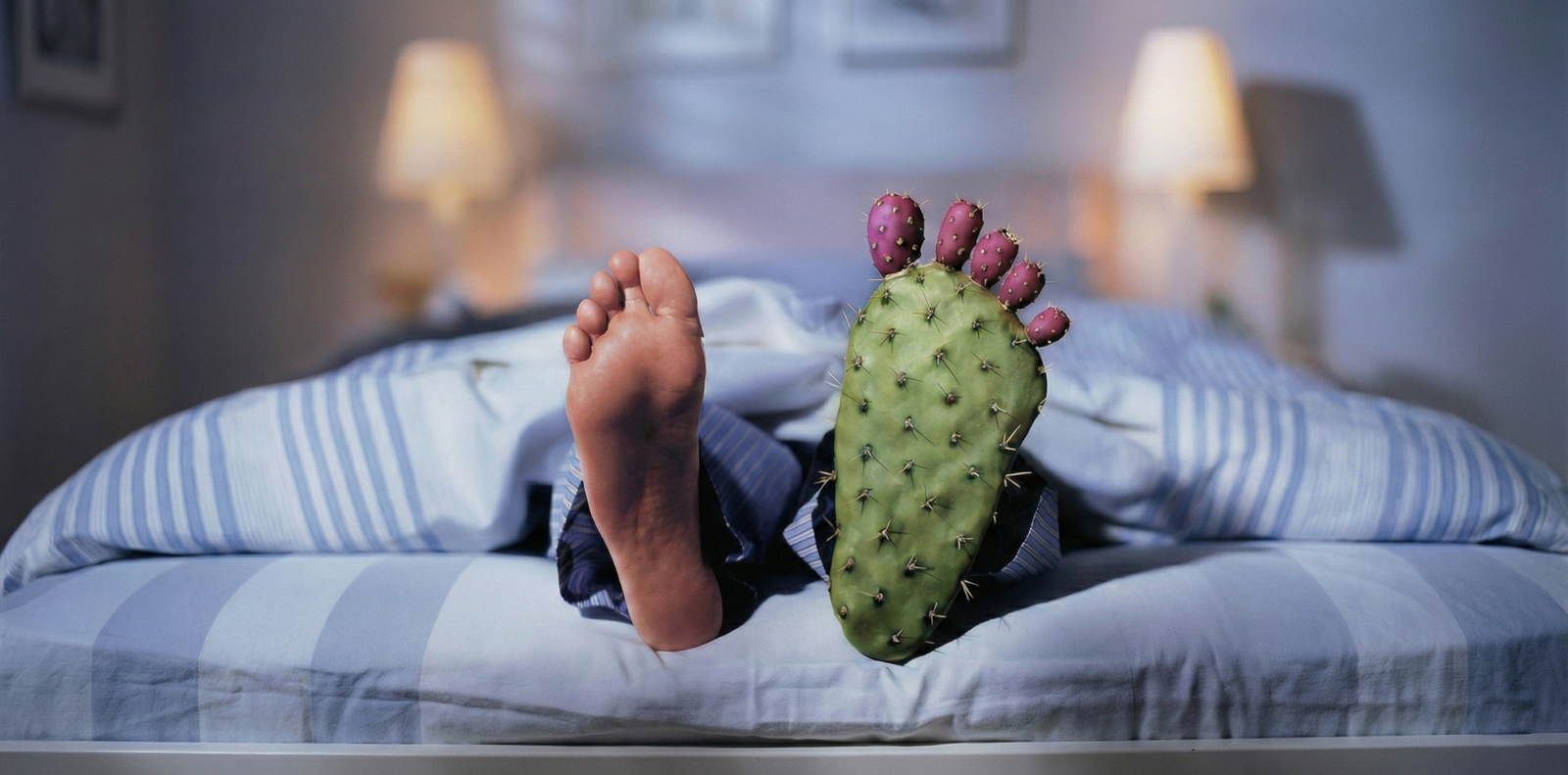
The Silent Betrayal: How Diabetes Sabotages Your Feet
Here’s the unsettling reality: diabetes doesn’t just affect your blood sugar—it wages a quiet war on your nervous system and blood vessels. This creates what podologists call the “perfect storm” for foot complications.
When elevated blood sugar persists, it essentially “sugarcoats” your nerves (yes, that’s nearly the actual mechanism—glycation products accumulate and damage nerve tissue). This process, called diabetic neuropathy, doesn’t happen overnight. It’s a gradual theft of sensation that leaves you vulnerable to injuries you literally cannot feel.
Here’s the sobering fact: patients with diabetic neuropathy often discover wounds only when they see blood in their socks or notice an unusual smell. By then, what started as a minor blister has potentially become an infected ulcer.
But neuropathy is only half the story. Diabetes simultaneously compromises blood flow to your extremities, meaning your feet receive less oxygen and nutrients. When you combine numbness (so you don’t notice injuries) with poor circulation (so injuries don’t heal), you’ve created the exact conditions where a small pebble in your shoe can escalate to a gangrenous toe.
The timeline is frighteningly fast. A pressure point from ill-fitting shoes can develop into a trophic ulcer within weeks. Left untreated, that ulcer can progress to tissue death requiring amputation in as little as 6-8 weeks. The tragedy? An estimated 85% of diabetes-related amputations could be prevented with proper care.
Smart Strategies for Protecting Your Feet
Master the Daily Inspection Ritual Every single evening, examine your feet thoroughly—tops, bottoms, between toes. Use a mirror for the soles if needed. You’re looking for cuts, blisters, redness, swelling, or any color changes. Can’t see well? Ask a family member or use your phone camera with flash. This five-minute routine is non-negotiable.
Obsess Over Footwear Fit This cannot be overstated: 98% of patients presenting with wet, uncomfortable feet simply wear shoes that are too small. Measure your feet properly (standing, with knees bent slightly to simulate walking pressure). Your shoe should have 1-1.5cm of space beyond your longest toe. Yes, this might mean buying a size larger than you think you need. Also critical: shoes shouldn’t require “breaking in”—they should feel comfortable immediately.
Never Walk Barefoot—Ever Even at home. Even for “just a second.” A small cut from a forgotten thumbtack or splinter can spiral into disaster when you can’t feel it happen. Invest in well-fitting house shoes or diabetic-friendly slippers (like Crocs, which are designed not to harbor bacteria and protect toes from impacts).
Ban These Products From Your Routine No alcohol-based antiseptics—they cause burns on vulnerable diabetic skin. No hydrogen peroxide on wounds—it actually prevents healing by necrotizing wound edges. No “moisturizing foot peels” or those trendy exfoliating socks—they contain fruit acids that cause chemical burns, leaving skin that takes 6-8 months to recover. No pumice stones or razors for calluses—you’ll remove living tissue along with dead skin.
Control Water Temperature Religiously Install a thermometer in your bathroom. Bath or shower water should never exceed 36°C (97°F) for diabetic feet. What feels comfortably warm to your hands can scald feet with compromised sensation. Many patients have suffered severe burns from water they couldn’t feel was dangerously hot.
Moisturize, But Strategically Use pharmacy-grade foot creams specifically formulated for diabetic skin, which tends to become thin and paper-like. Apply daily, but never between toes (that moisture promotes fungal growth). Your goal is supple skin without cracks—dry skin fissures easily, creating entry points for infection.
Choose Socks Wisely Socks that are too small can pull toes into cramped positions, reducing circulation by up to three sizes. The sock should extend from heel to the first joint of your toes. Change them every 3-4 months as they stretch and lose proper fit. Choose seamless varieties when possible.
Schedule Professional Podiatry Visits Even with perfect home care, see a podiatrist quarterly for professional assessment. They’ll check for subtle changes you might miss, monitor nail health (thickened nails can indicate fungal infection, not “age”), trim nails properly, and address calluses safely. This isn’t optional—it’s preventive medicine.
Debunking Common Myths
Myth 1: “Thickened, discolored toenails are just part of aging.” Reality: There’s no such thing as “old person nails.” Any nail changes—thickening, discoloration, brittleness—indicate secondary infection (usually fungal) or underlying disease like psoriasis. Even 82-year-olds with recurring cancer can have perfectly healthy nails if properly cared for. Nail changes always warrant investigation.
Myth 2: “Soaking your feet helps keep them healthy.” Reality: For diabetics, foot soaking is dangerous. Prolonged water exposure causes maceration (tissue breakdown), creates those deceptively “soft pink heels” that are actually damaged, and dramatically increases infection risk. The warm, moist environment is paradise for bacteria. Clean your feet quickly during regular bathing, then dry thoroughly—especially between toes.
Myth 3: “If something’s wrong, I’ll feel pain.” Reality: This is perhaps the most dangerous myth. Diabetic neuropathy specifically eliminates pain signals. Patients have walked for days on infected ulcers, broken bones, and even embedded foreign objects without realizing anything was wrong. Visual inspection, not pain, must be your warning system.
Myth 4: “Orthopedic shoes from stores will fix my foot problems.” Reality: True orthopedic footwear is custom-made for your specific foot structure and issues. Mass-market “orthopedic” shoes are marketing fiction. Your right and left feet are different; one may have flat arches while the other doesn’t. No store-bought shoe can address individual biomechanics. Custom orthotics require professional fitting.
Myth 5: “A small cut isn’t worth bothering my doctor about.” Reality: For diabetics, there are no “small” cuts. Any break in skin integrity is a medical event requiring attention. What would heal in days for others can fester for weeks in you, potentially progressing to ulceration and deep tissue infection. When in doubt, get it checked out—immediately.
Important Questions Answered
Q: My feet are always cold. Is this dangerous? A: Cold feet in diabetes can indicate either neuropathy (affecting temperature regulation) or compromised circulation from atherosclerosis. Both need evaluation. A neurologist can test vibration sensation with a tuning fork and check reflexes to assess nerve health. Vascular studies determine if blood flow is adequate. Don’t dismiss this symptom—it often precedes serious complications.
Q: Can I ever wear nail polish on my toenails? A: Podiatrists strongly advise against it for diabetics. Polish (especially gel that “shrinks” under UV lamps) adds compression to nails, which combined with tight shoes, dramatically increases ingrown nail risk. More critically, polish masks early warning signs—subtle color changes, separation, or thickening that indicate infection. Your nails need to be visible for monitoring.
Q: What should I do immediately if I find a wound? A: Clean it gently with alcohol-free antiseptic (available at any pharmacy), cover with a sterile bandage, and contact your healthcare provider that day—not tomorrow, today. Elevate your foot to reduce swelling. Do not apply any creams, ointments, or home remedies. Do not wait to “see if it heals on its own.” Time is literally tissue when it comes to diabetic wounds.
Q: Are there any shoes I should absolutely avoid? A: Never wear narrow-toed dress shoes, flip-flops, or sandals with toe straps (which cause friction and expose toes to trauma). Avoid any shoes requiring a “break-in” period. High heels are catastrophic for diabetic feet—they force weight onto metatarsal heads, creating pressure ulcers. Stick with closed-toe athletic shoes with proper arch support, adequate toe box width, and cushioned soles.
Finding Your Personal Balance
Managing diabetic foot health isn’t about living in fear—it’s about establishing smart routines that become second nature. Yes, the stakes are high, but the strategies are straightforward and entirely within your control.
The key is understanding that your feet have lost their natural alarm system. You’ve become their early warning system through daily inspection, their protection through proper footwear, and their advocate by insisting on professional care. This isn’t paranoia; it’s practical prevention.
Work closely with your endocrinologist to optimize blood sugar control (the foundation of everything), your podiatrist for specialized foot care, and potentially a neurologist if neuropathy symptoms appear. This team approach catches problems early, when they’re most treatable.
The empowering truth? You absolutely can maintain active, independent mobility while managing diabetes. Thousands do it successfully by transforming foot care from an afterthought into a priority. Your feet have carried you through life—now it’s time to carry them through diabetes with the vigilant care they deserve.